
What Do You Call Someone Who Loves Music?
Someone who loves music is most commonly called a melophile or a music lover in everyday English. A melophile is […]
This category covers common English spelling and word-use questions in a simple and easy way. It includes topics like Grammar vs Grammer, correct and incorrect spellings, commonly misspelled words, confusing word pairs, and similar English questions. Each article explains which word is correct, what it means, and how to use it in a sentence. You will also find simple examples that make confusing words easier to understand. The goal is to help readers spot common mistakes and choose the right word when writing. These guides are useful for students, writers, bloggers, professionals, and anyone who wants to improve their English writing.
Someone who loves music is most commonly called a melophile or a music lover in everyday English. A melophile is […]
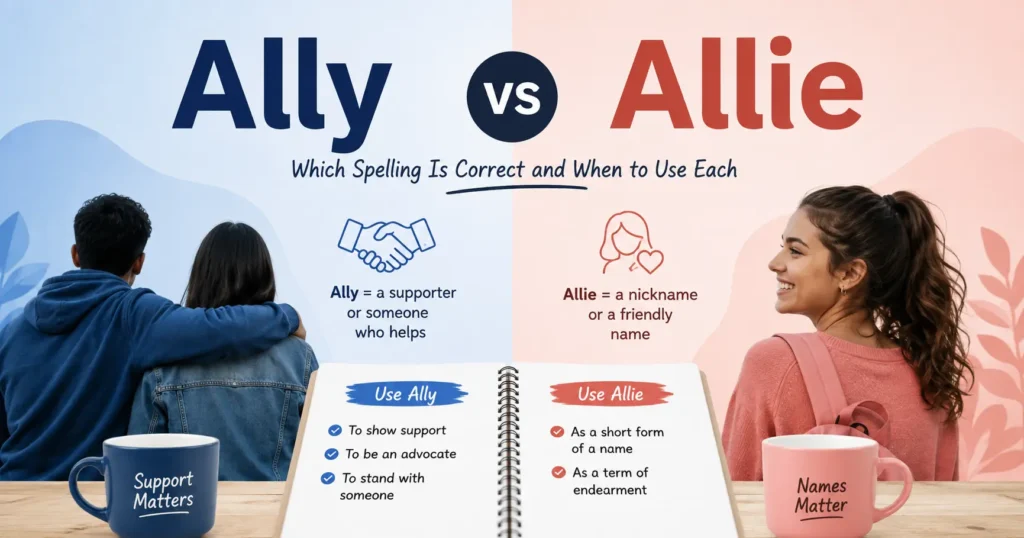
“Ally” and “Allie” are two completely different words with different meanings and grammatical roles. “Ally” with a lowercase Y is
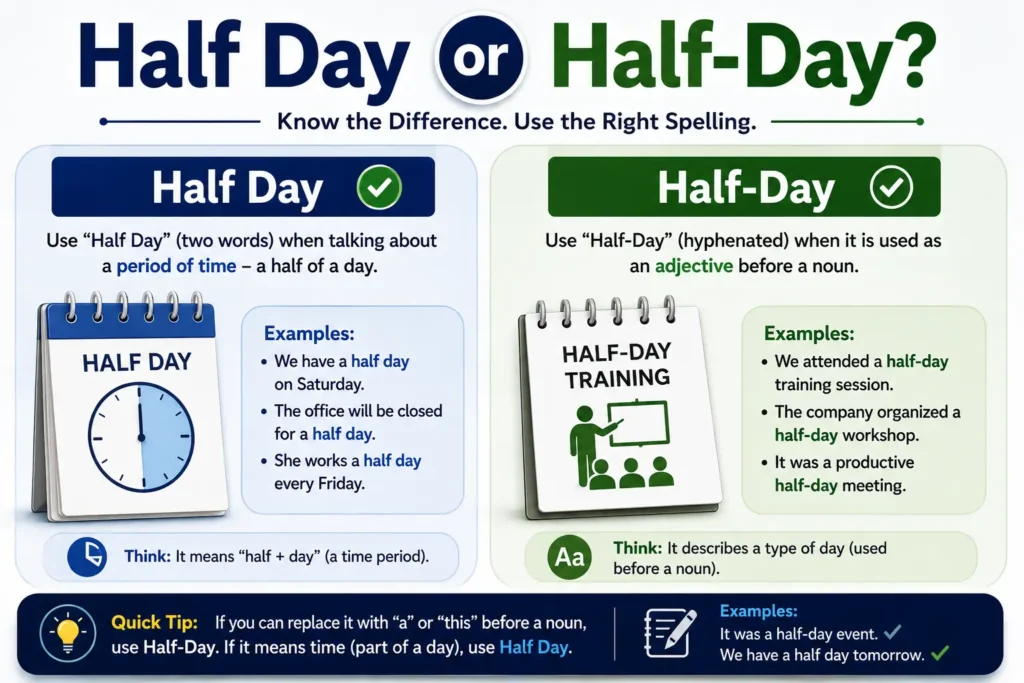
Both “half day” and “half-day” are correct in English, but they are used in different grammatical roles. “Half day” without
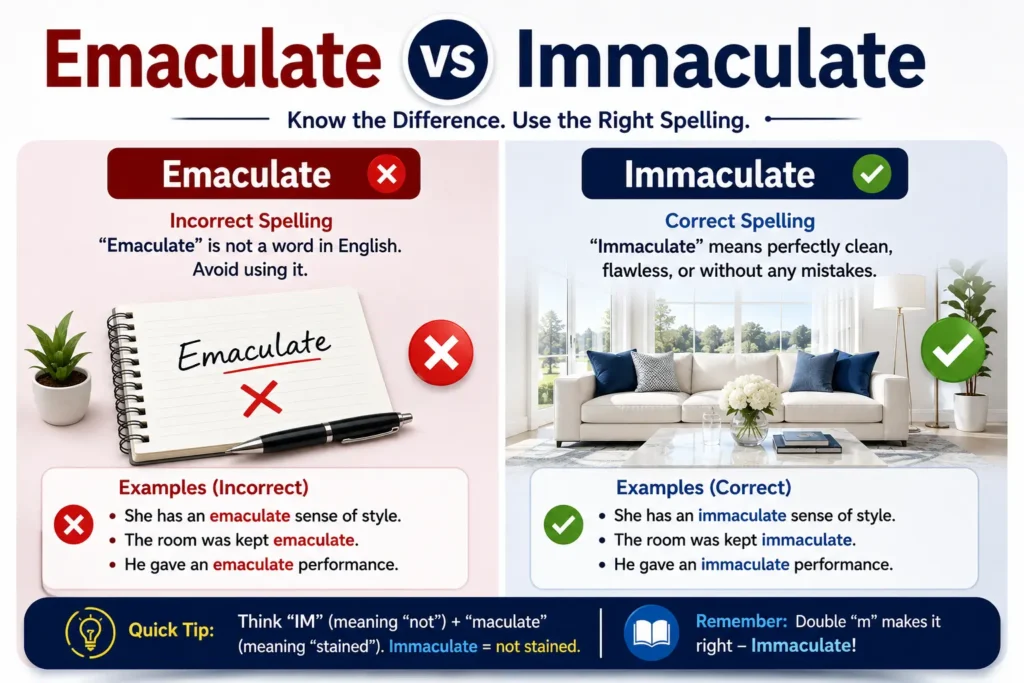
“Emaculate” is not a recognized word in standard English. It is a common misspelling of “immaculate.” The correct spelling is
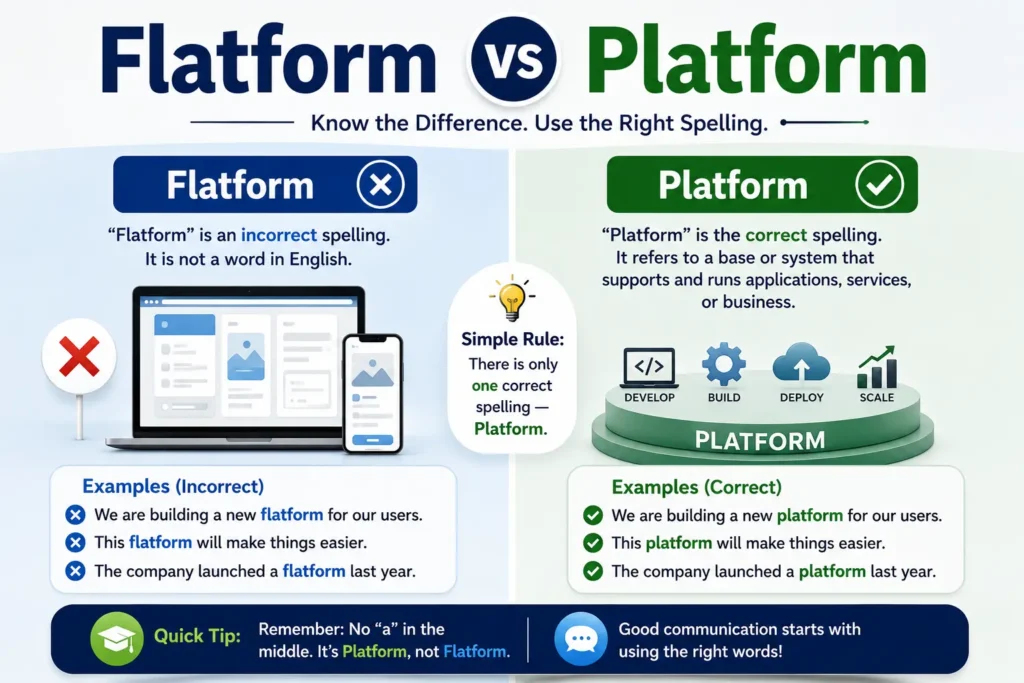
“Flatform” and “platform” are two different English words with different meanings. “Flatform” is a real word. Cambridge Dictionary defines it
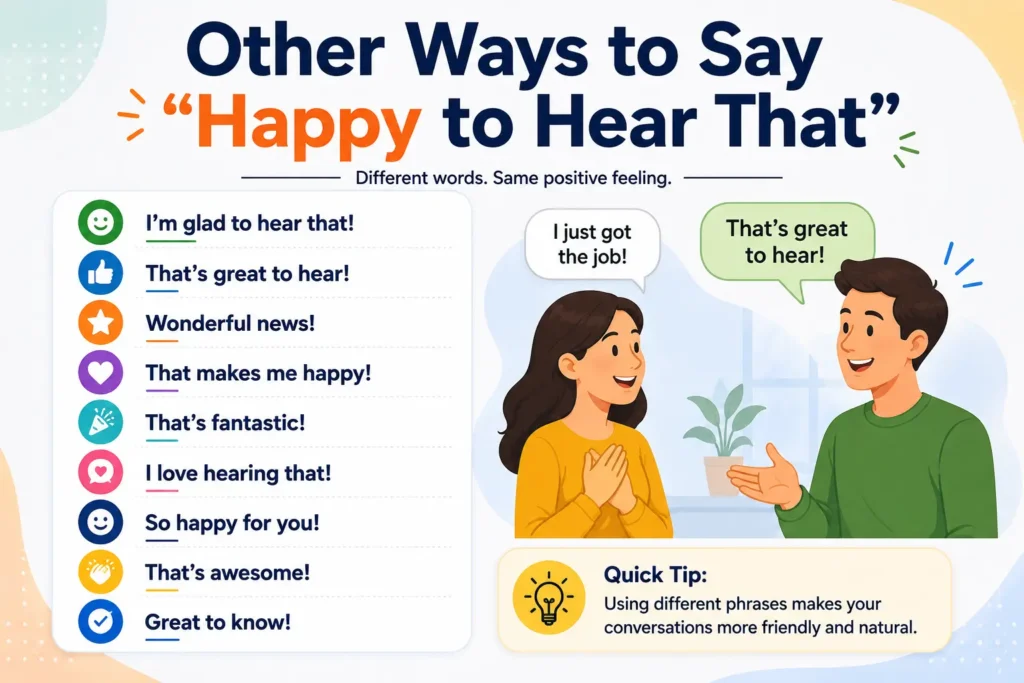
“Happy to hear that” is one of the most common phrases in everyday English. But if you use it in
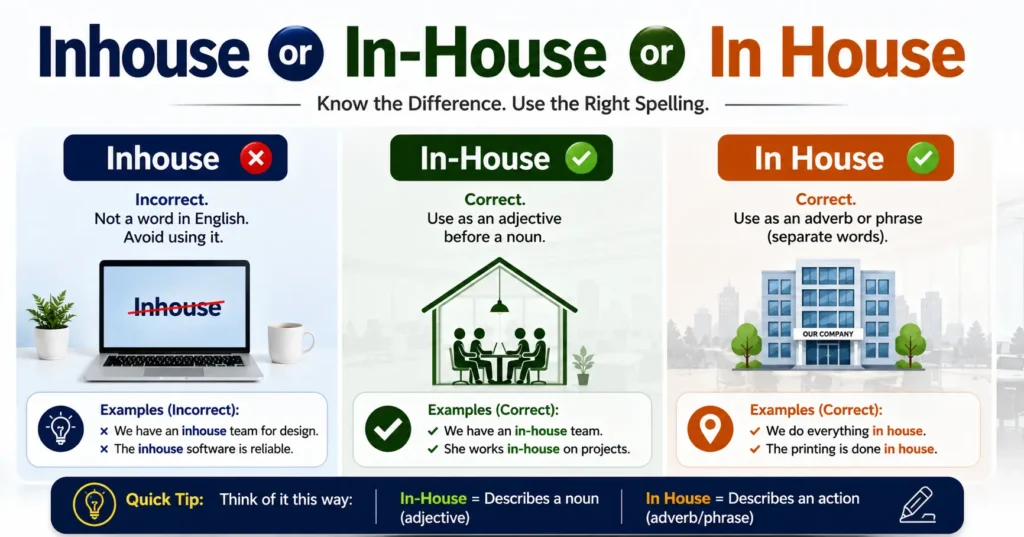
Should you write inhouse, in-house, or in house? If you have stopped mid-sentence trying to figure out the right answer,
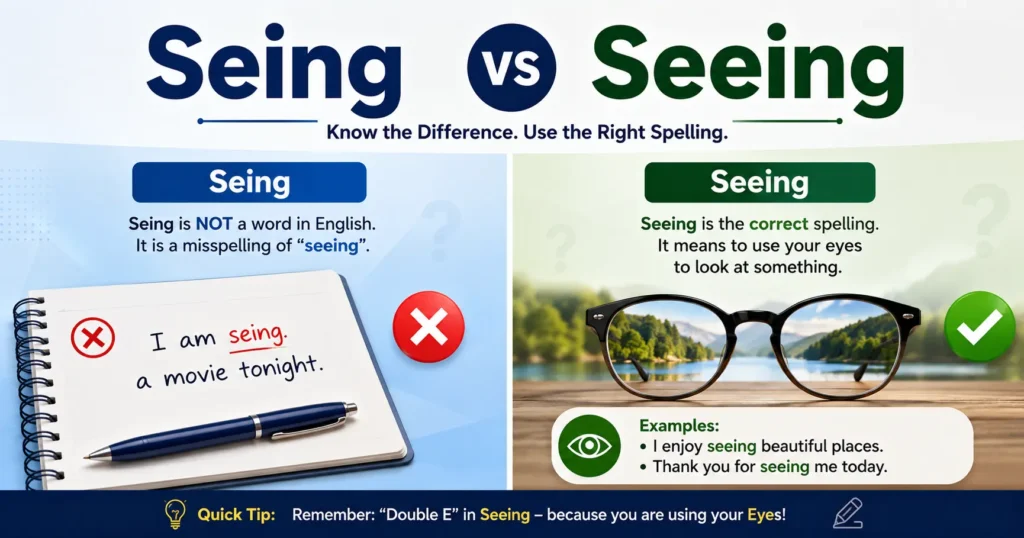
“Seeing” is the correct spelling in modern English. “Seing” is always a misspelling. “Seeing” is the present participle of the
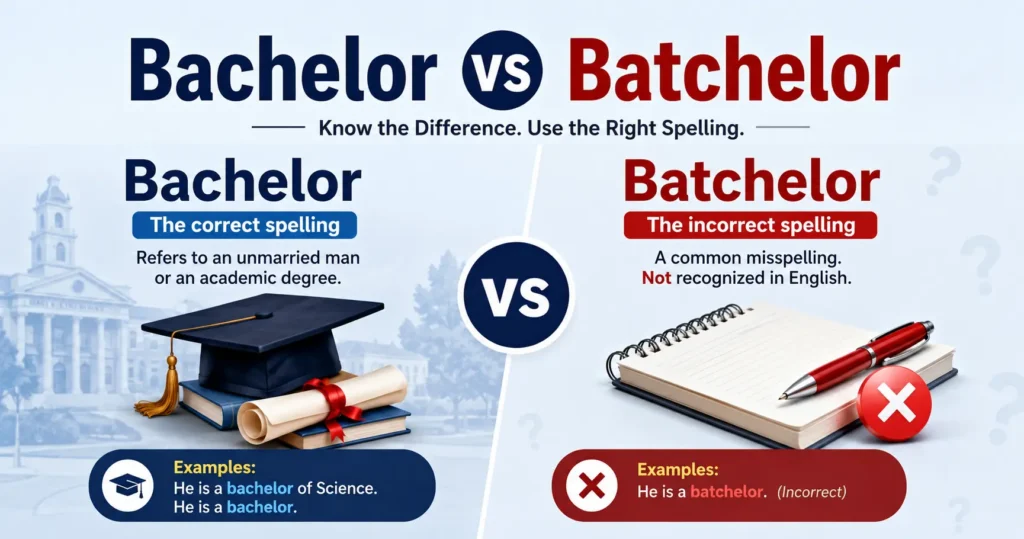
“Bachelor” is the correct spelling in modern English. “Batchelor” is a misspelling and is not accepted in American or British
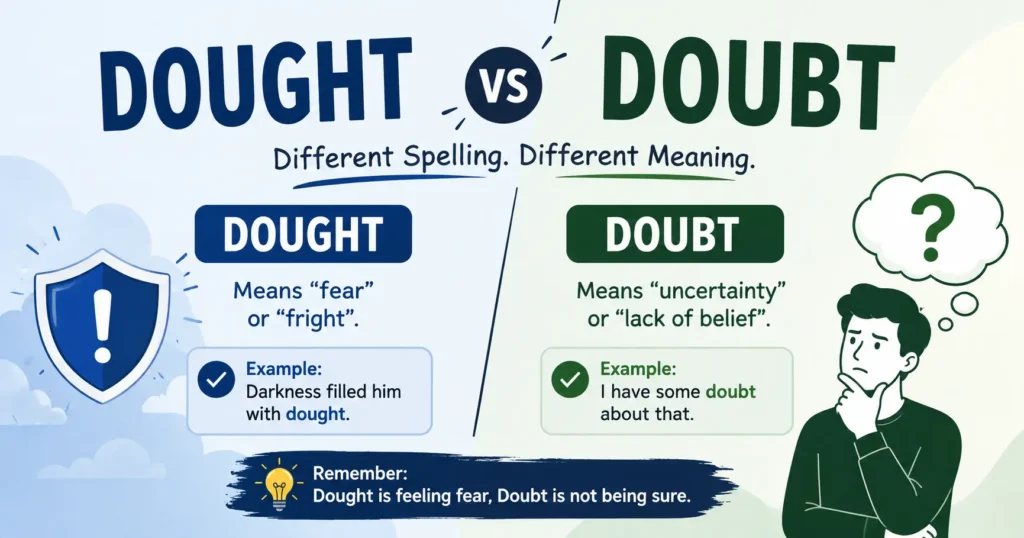
The correct spelling is doubt, not dought. Dought is not a recognized word in modern standard English. It may appear