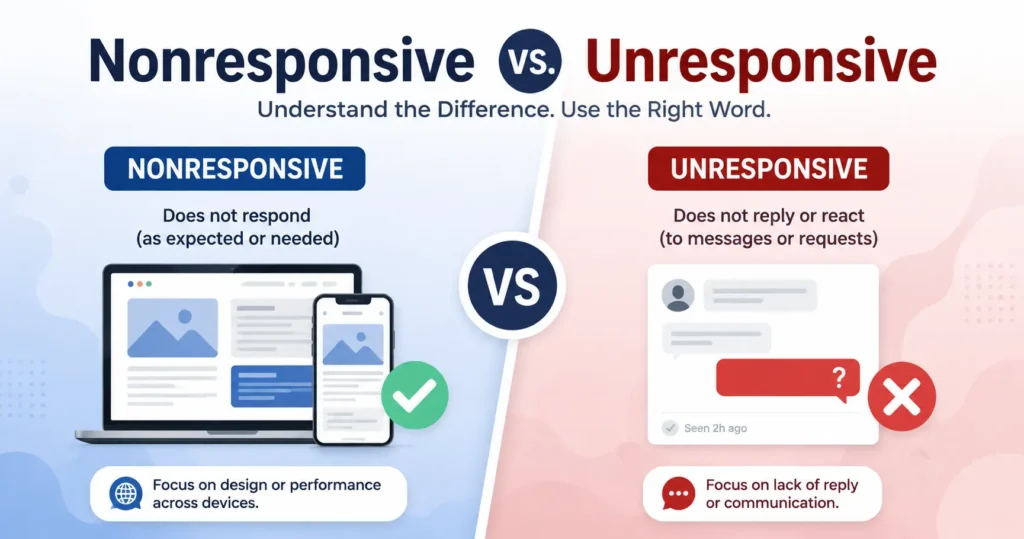
Nonresponsive vs. Unresponsive: Key Differences Explained
Nonresponsive and unresponsive are near-synonyms that both describe a lack of response. Unresponsive is the broader, more common term used […]
This category covers common English spelling and word-use questions in a simple and easy way. It includes topics like Grammar vs Grammer, correct and incorrect spellings, commonly misspelled words, confusing word pairs, and similar English questions. Each article explains which word is correct, what it means, and how to use it in a sentence. You will also find simple examples that make confusing words easier to understand. The goal is to help readers spot common mistakes and choose the right word when writing. These guides are useful for students, writers, bloggers, professionals, and anyone who wants to improve their English writing.
Nonresponsive and unresponsive are near-synonyms that both describe a lack of response. Unresponsive is the broader, more common term used […]
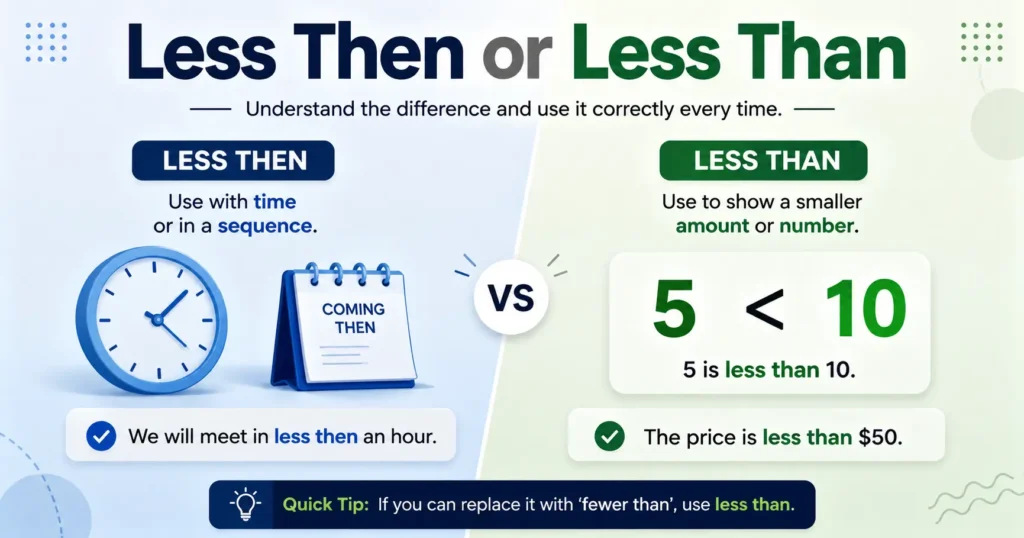
“Less than” is always the correct form in English. “Less then” is a spelling error and should never be used
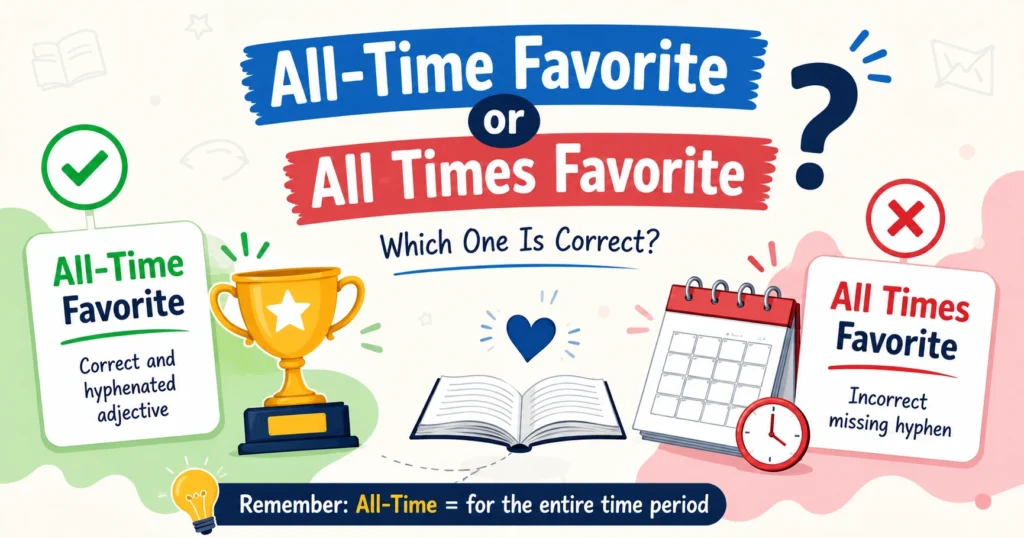
“All-time favorite” is the correct phrase. It uses a hyphenated compound adjective where “all-time” modifies the noun that follows. “All
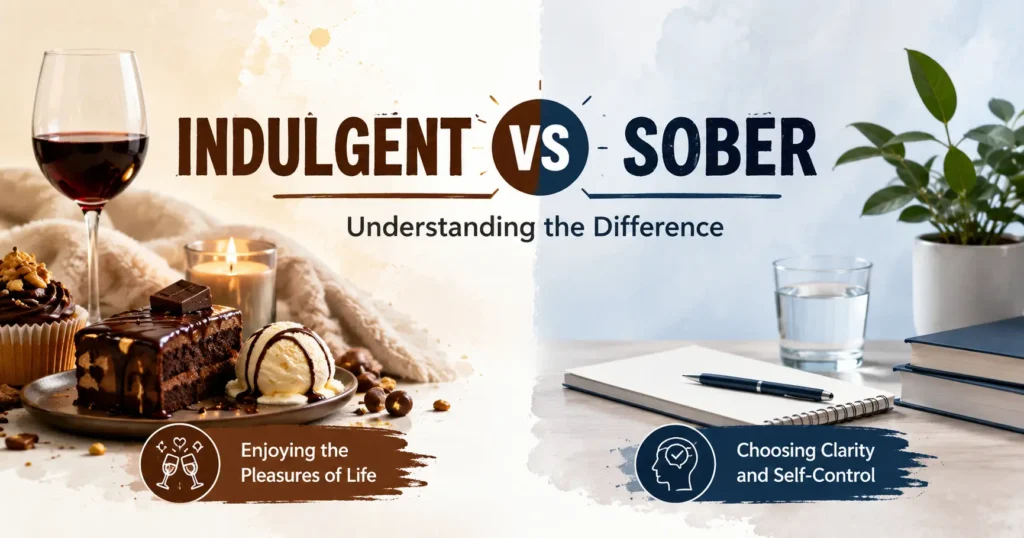
Indulgent and sober are adjectives that describe opposite ends of the restraint spectrum. Indulgent means giving in to pleasure, being

Immersion means entering deeply into something, such as submerging in water, fully engaging in a task, or learning through a

A rug is a floor covering used for decoration, warmth, or comfort. A rag is a piece of cloth, usually

Immerse means to submerge something completely in a liquid or to engage deeply in an activity. Emerse means to rise
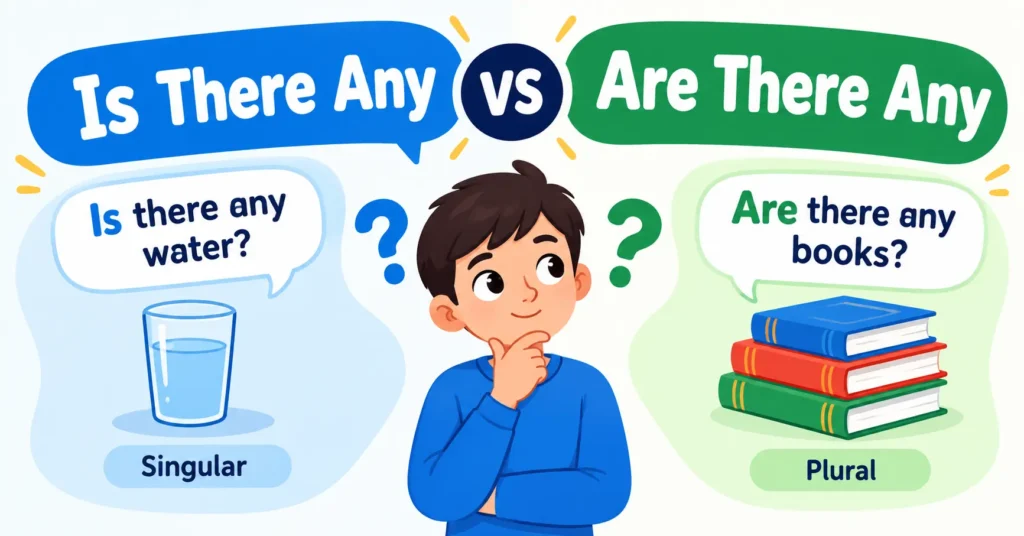
“Is there any” and “are there any” follow a simple English grammar rule based on noun type. Use “is there
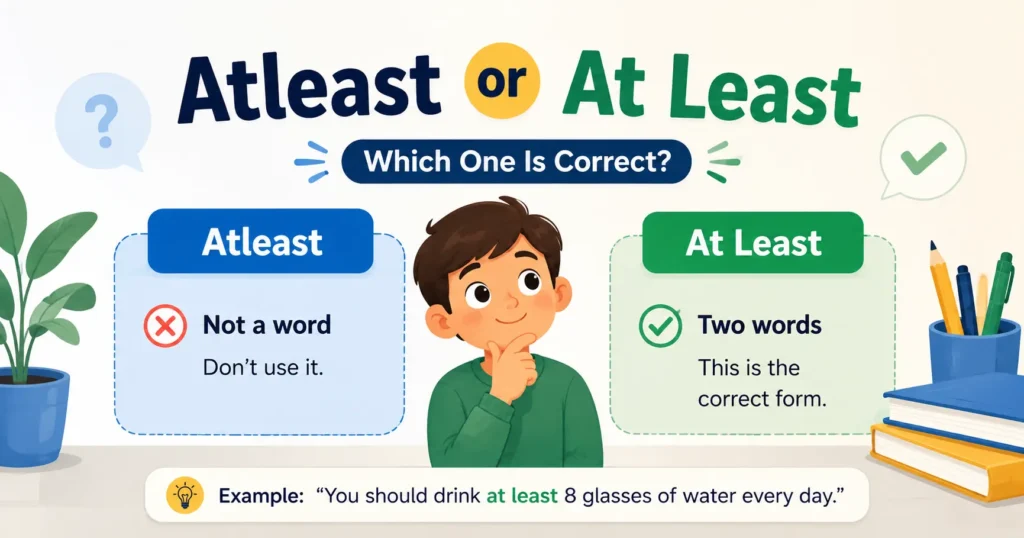
“Atleast” is always a spelling mistake. The only correct form is “at least,” written as two separate words. It means
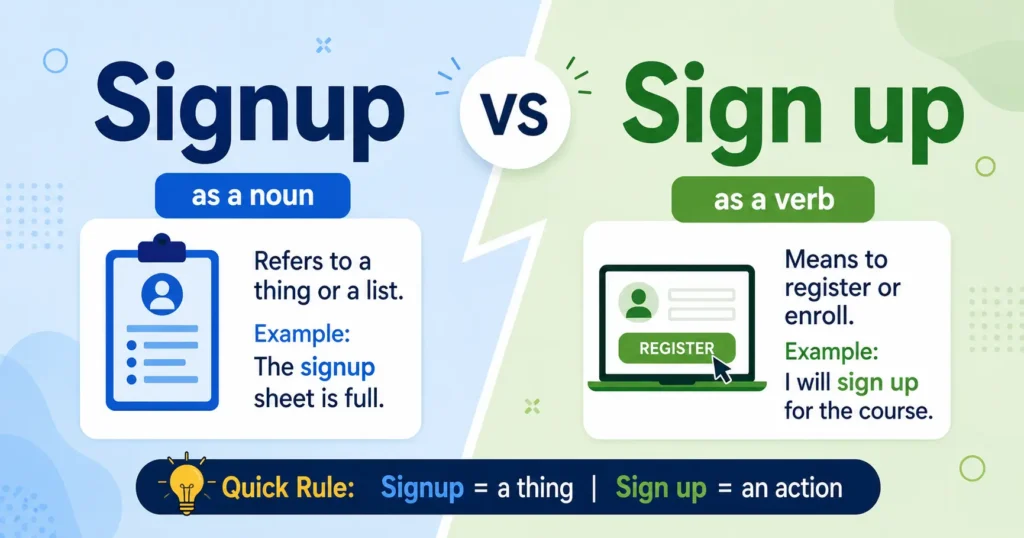
Use sign up when the phrase works as a verb, such as “You can sign up for the course.” Use